Understanding Turnaround Maintenance in Oil Refineries
Definition and Importance
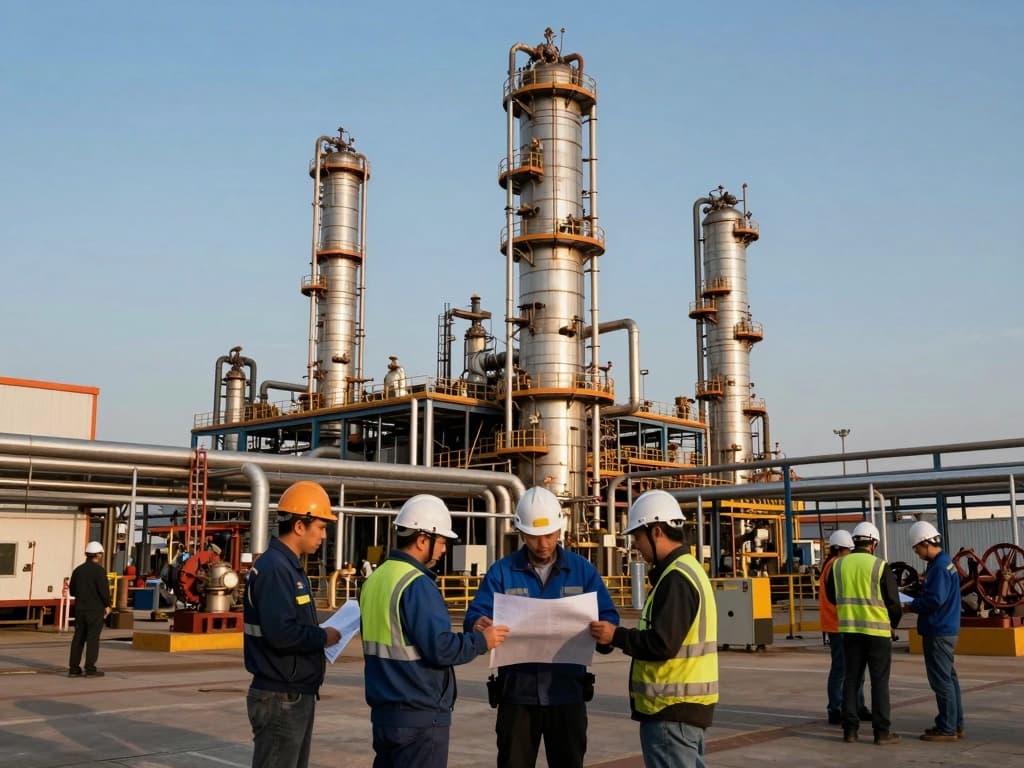
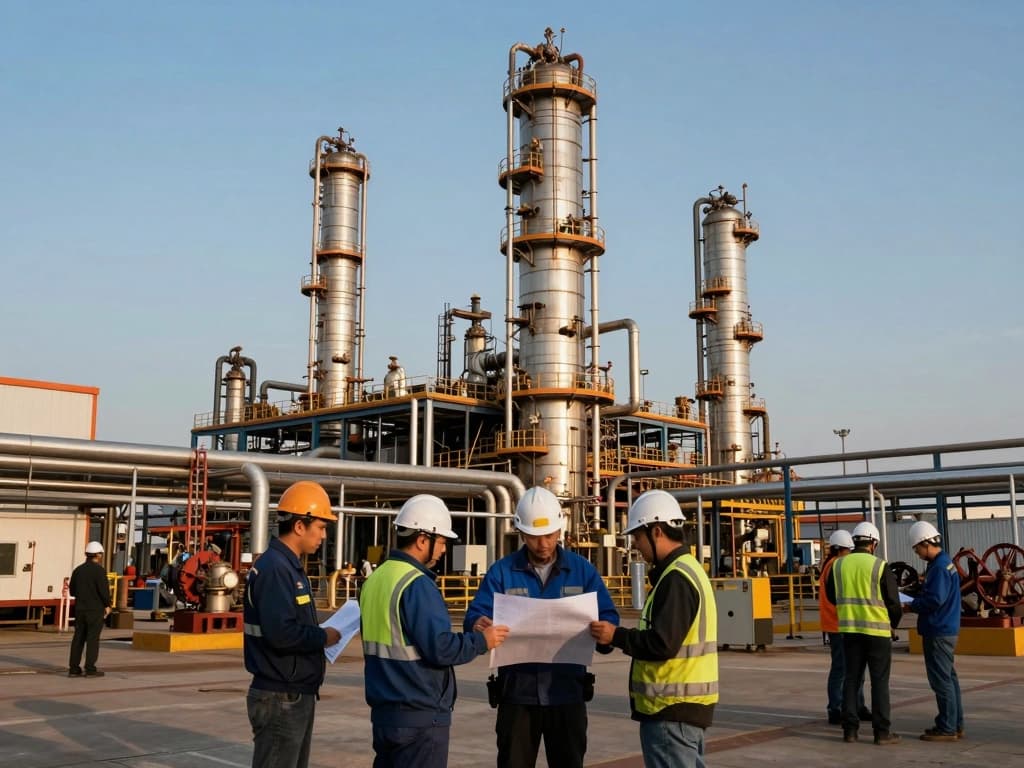
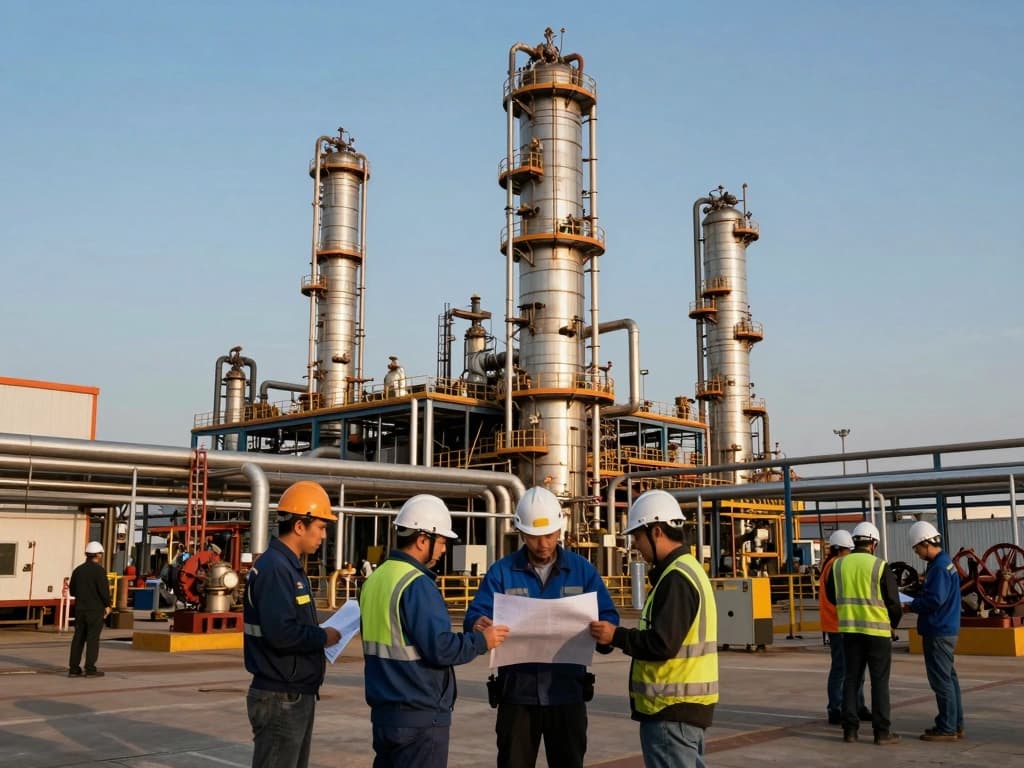
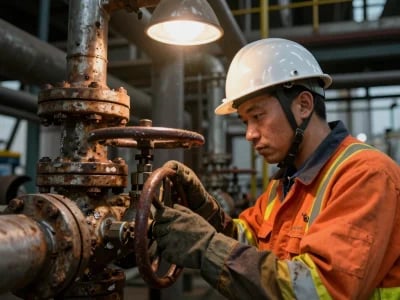
Turnaround maintenance in oil refineries refers to a planned event where major maintenance work is performed on process units. This maintenance is essential for ensuring the safety, reliability, and efficiency of refinery operations. Typically scheduled every 3 to 5 years, turnarounds allow for extensive inspections, repairs, and upgrades to equipment and systems that cannot be performed during regular operations.
The importance of turnaround maintenance cannot be overstated. Refineries operate continuously, and equipment degradation over time can lead to decreased efficiency and increased risk of failures. A well-executed turnaround can enhance the lifespan of equipment, mitigate safety risks, and ultimately improve the profitability of refinery operations. According to the American Petroleum Institute (API), poorly managed turnarounds can lead to operational inefficiencies costing refineries millions of dollars in lost production and increased maintenance costs.
Factors Influencing Turnaround Frequency
Several factors influence how often turnarounds are scheduled in oil refineries:
- Equipment Wear and Tear: The age and condition of equipment dictate maintenance needs. Older units generally require more frequent turnarounds.
- Operational Demands: Increased production rates may necessitate more frequent maintenance to prevent breakdowns.
- Technological Advancements: Upgrading to more efficient technologies can drive the need for turnarounds to install new equipment.
- Market Conditions: Fluctuations in demand and oil prices can influence the scheduling of turnarounds, as refineries may choose to maximize output during high-demand periods.
Regulatory and Safety Considerations
Regulatory requirements play a critical role in the scheduling of turnaround maintenance. Oil refineries must comply with environmental and safety regulations set by agencies such as the Environmental Protection Agency (EPA) and the Occupational Safety and Health Administration (OSHA). These regulations often dictate maintenance practices and inspection frequencies to ensure safe operations. Failure to comply can result in hefty fines and operational shutdowns.
Safety considerations are paramount during turnarounds due to the hazardous nature of refinery operations. The implementation of strict safety protocols, such as lockout/tagout procedures and safety training for all personnel, is essential to minimize risks during these high-stakes maintenance events.
Planning the Turnaround Schedule
Developing a Turnaround Strategy
Effective planning begins with a comprehensive turnaround strategy. This strategy should outline the objectives, scope, and expected outcomes of the turnaround. Key components include:
- Scope of Work: Clearly define the maintenance activities to be performed, including inspections, repairs, and any upgrades.
- Timeline: Establish a detailed timeline that includes preparation, execution, and post-turnaround activities.
- Risk Assessment: Conduct a thorough risk assessment to identify potential challenges and develop mitigation strategies.
For example, a refinery may implement a turnaround strategy that includes a 10-week timeline, with the first two weeks allocated for preparation, followed by six weeks of intensive maintenance work, and two weeks for post-turnaround evaluations and adjustments.
Stakeholder Engagement and Communication
Effective communication with all stakeholders is crucial for a successful turnaround. This includes engaging with internal teams, such as operations, maintenance, and safety personnel, as well as external stakeholders, such as contractors and suppliers. Regular updates and meetings should be scheduled to ensure everyone is aligned on objectives, timelines, and responsibilities. For instance, a weekly meeting could be held where team leads report on progress and any emerging issues.
Additionally, utilizing collaborative tools and platforms can enhance communication efficiency. Tools like Microsoft Teams or Slack can facilitate real-time updates and discussions, ensuring all stakeholders are informed of any changes or challenges that arise during the turnaround process.
Utilizing Historical Data for Scheduling
Historical data is invaluable when planning turnaround maintenance. By analyzing past turnaround activities, refineries can identify trends, common issues, and successful practices that can inform future scheduling. Key data points to consider include:
- Duration of Previous Turnarounds: Understanding how long past turnarounds took can help set realistic timelines for future projects.
- Maintenance History: Analyzing the frequency and types of repairs made during previous turnarounds can highlight areas that may require more attention or resources in the future.
- Downtime Impacts: Assessing the impact of previous turnarounds on production can help refine scheduling to minimize financial losses.
For instance, a refinery that identifies a trend of extended downtime due to specific equipment failures can prioritize those units for more thorough inspections and repairs during the next turnaround.
Resource Allocation for Turnaround Activities
Workforce Management and Training
Proper workforce management is critical to the success of turnaround maintenance. Refineries must ensure they have an adequately trained workforce to handle the demands of the turnaround. This involves:
- Training Programs: Implementing comprehensive training programs that cover safety protocols, equipment handling, and emergency procedures is essential. For example, conducting a series of safety drills before the turnaround can prepare workers for potential hazards.
- Staffing: Assessing the number of personnel required and ensuring the right mix of skills is available. This may involve hiring temporary workers or contractors with specialized expertise.
In practice, a refinery might hire additional skilled trade workers, such as welders or electricians, to bolster the in-house team during the turnaround, ensuring that all maintenance tasks can be completed efficiently and safely.
Equipment and Material Procurement
Effective procurement of equipment and materials is vital for minimizing delays during turnaround maintenance. This involves:
- Inventory Management: Conducting a thorough inventory of existing materials and identifying any gaps that need to be filled before the turnaround begins.
- Supplier Relationships: Building strong relationships with suppliers to ensure timely delivery of materials and equipment. Engaging with multiple suppliers can provide leverage in negotiations and ensure backup options are available.
For example, if a particular valve is identified as needing replacement during the turnaround planning phase, the procurement team should secure the necessary parts well in advance to avoid last-minute delays.
Budgeting and Financial Planning
Budgeting for turnaround maintenance is a critical component that can significantly impact the overall success of the project. Planning should involve:
- Cost Estimations: Developing detailed cost estimates for labor, materials, equipment, and any potential downtime. This requires collaboration with various departments to gather accurate data.
- Contingency Planning: Allocating a contingency budget for unforeseen issues that can arise during the turnaround, such as unexpected repairs or delays.
For instance, a refinery might allocate 10% of the total budget as a contingency to cover any unexpected expenses, ensuring financial flexibility during the execution of the turnaround.
Execution of Turnaround Maintenance
Project Management Techniques
Executing turnaround maintenance is essentially a project management endeavor that requires careful coordination and monitoring. Key project management techniques include:
- Gantt Charts: Utilizing Gantt charts to visualize the project schedule and track progress against established timelines.
- Critical Path Method (CPM): Identifying the critical path to ensure that essential tasks are prioritized and completed on time to avoid delays in the overall project.
For example, if a critical inspection task is identified as being on the critical path, project managers can allocate additional resources to ensure that it is completed without delay, thus keeping the entire turnaround on schedule.
Quality Control and Safety Protocols
Maintaining high standards of quality and safety during turnaround maintenance is non-negotiable. Refineries must implement robust quality control measures, including:
- Regular Inspections: Conducting regular inspections of work performed to ensure compliance with industry standards and best practices.
- Safety Audits: Performing safety audits throughout the turnaround process to identify and mitigate any hazards that may arise.
For instance, a refinery may employ dedicated quality control inspectors who monitor work in real-time, ensuring that any deviations from standards are addressed immediately.
Monitoring Progress and Adjustments
Continuous monitoring of progress is essential during the execution of turnaround maintenance. This involves:
- Daily Progress Meetings: Conducting daily meetings with key stakeholders to review progress, address challenges, and adjust plans as necessary.
- Performance Tracking: Utilizing performance metrics to evaluate the efficiency of the turnaround process and make necessary adjustments in real-time.
For example, if it becomes evident that a particular phase of the turnaround is lagging behind schedule, project managers can reallocate resources or adjust timelines to maintain overall project momentum.
Post-Turnaround Evaluation and Continuous Improvement
Performance Metrics and Key Performance Indicators (KPIs)
After completing a turnaround, it is crucial to conduct a thorough evaluation to assess performance and identify areas for improvement. Key performance metrics to consider include:
- Schedule Adherence: Evaluating whether the turnaround was completed on time and identifying reasons for any delays.
- Cost Variance: Analyzing budget adherence and understanding any factors that contributed to cost overruns.
- Safety Incidents: Tracking any safety incidents that occurred during the turnaround and assessing their impact on overall safety performance.
For example, a refinery may find that they completed the turnaround two days late but stayed within budget, prompting a review of scheduling practices for future projects.
Lessons Learned and Documentation
Documenting lessons learned during the turnaround process is essential for fostering a culture of continuous improvement. This involves:
- Post-Mortem Analysis: Conducting a detailed analysis of what went well and what could be improved, involving all stakeholders in the discussion.
- Documentation: Keeping thorough records of all activities, decisions, and outcomes to serve as a reference for future turnarounds.
For instance, if a specific maintenance task was identified as particularly efficient, documenting the process can help replicate that success in future turnarounds.
Implementing Feedback for Future Turnarounds
Finally, it is vital to implement feedback gathered during the post-turnaround evaluation into future planning. This can include:
- Adjusting Best Practices: Updating standard operating procedures based on insights gained from the previous turnaround.
- Training Enhancements: Incorporating lessons learned into training programs for staff to ensure better preparedness for future projects.
For example, if feedback indicates that communication was a recurring issue, the refinery can develop enhanced communication protocols for future turnarounds to ensure all stakeholders are kept informed and engaged.